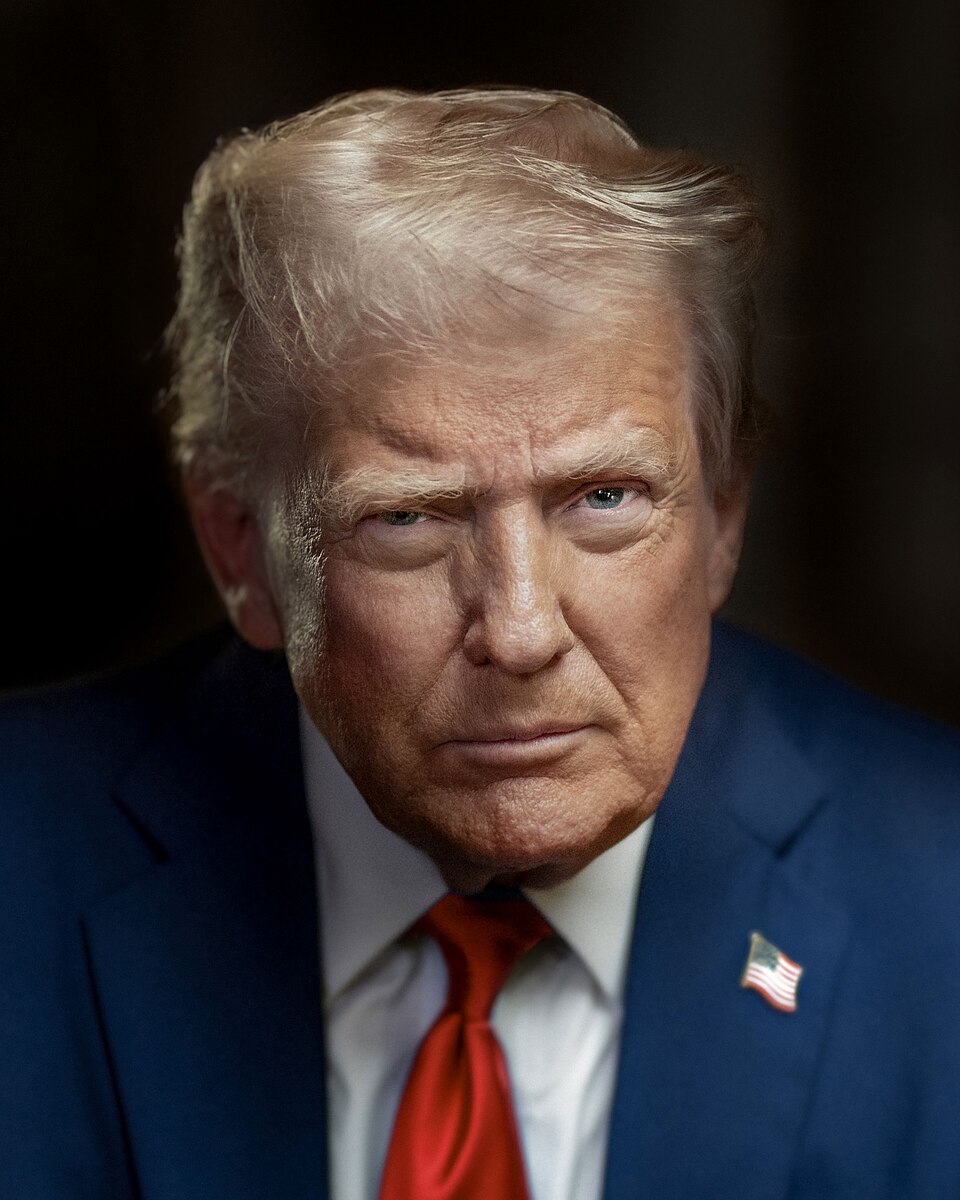
Donald Trump's Health: Decoding Scarce Public Details
The health of a prominent public figure, especially a former President of the United States, is a topic of intense public interest and frequent speculation. For Donald Trump, the discourse surrounding his well-being, often termed "Donald Trump Gesundheit" in international media, has been a recurring theme throughout his time in office and continues to be so as he remains a significant force in American politics. Yet, despite widespread attention, concrete, detailed public health information remains notably scarce, compelling observers to decode what little is available from public appearances, official (often broad) statements, and media reports.
Understanding the health profile of someone like Donald Trump isn't merely a matter of curiosity; it carries significant implications for national and international stability, electoral prospects, and the overall functioning of governance. Voters, allies, and adversaries alike often seek reassurances about a leader's fitness to handle the immense pressures and responsibilities of high office. However, comprehensive medical records are rarely, if ever, made public, leaving a gap that is frequently filled by analysis of subtle cues and careful interpretation of limited official disclosures.
The Public's Right to Know vs. Personal Privacy
The tension between a public figure's right to privacy and the public's perceived right to know about their leader's health is a long-standing ethical and political debate. For someone in Donald Trump's position, who has sought and continues to seek high office, this balance becomes particularly acute. While personal medical details are inherently private, the capacity of a president or presidential candidate to perform their duties is undeniably a matter of public concern. This leads to a situation where official medical reports are often carefully curated, providing general assurances of health without divulging specific conditions or treatments.
Historically, American presidents have varied widely in the transparency of their health records. From the carefully concealed ailments of Franklin D. Roosevelt to the more recent, detailed annual physical reports, the standards have evolved. For Donald Trump, official statements from his physicians during his presidency typically affirmed his good health, often citing specific metrics like blood pressure and cholesterol levels, while offering a general assessment of his physical and cognitive fitness. These summaries, while official, often lacked the granular detail that might satisfy a truly inquisitive public or media. The phrase "Donald Trump Gesundheit" often encapsulates this international curiosity, highlighting that the scrutiny is not confined to domestic borders.
Navigating this landscape requires the public to critically evaluate sources and information. When official details are scarce, the focus inevitably shifts to observable traits: energy levels during rallies, clarity of speech, gait, and even minor physical changes like those noted in some news summaries, such as "redness on his neck" – fleeting observations that, without medical context, mean little but can fuel conjecture. For further context on how public information is disseminated, you might find Donald Trump's Health: Latest Insights from Public Sources a valuable read.
Decoding Public Appearances and Official Statements
In the absence of comprehensive medical disclosures, public appearances become a primary source of information, albeit a highly subjective one. Observers often scrutinize Donald Trump's stamina during lengthy speeches, his physical demeanor at public events, and his overall presence. Energy levels, mental acuity as perceived through his speeches and interviews, and even minor changes in physical appearance can become fodder for discussion. However, it's crucial to remember that these are superficial observations and do not constitute medical diagnoses.
Official statements from his physicians during his tenure typically focused on a "very good" or "excellent" bill of health, often accompanied by specific, but limited, numbers from his physical examinations. For instance, reports would highlight his weight, height, and some vital signs. While reassuring, these statements generally avoided providing intricate details about the methodologies of assessment, potential minor ailments, or any medication regimen he might be following. This level of broad reporting is common for high-profile figures, as it attempts to balance transparency with privacy, yet it inherently leaves much to the imagination.
- Energy Levels: His frequent rallies, often lasting over an hour, have been cited by supporters as evidence of robust health and stamina.
- Speech and Cognition: While his speaking style is distinctive, observers often listen for any perceived changes in coherence or memory, which are critical for presidential duties.
- Physical Demeanor: Changes in gait, posture, or facial expressions are often noted by the media and public, though these are highly susceptible to misinterpretation without medical context.
- Official Doctor's Letters: These are the most authoritative public documents but are typically generalized and focus on overall fitness, rather than specific diagnoses.
It's important for the public to approach such observations with a healthy dose of skepticism, understanding that media portrayals and personal biases can heavily influence interpretation. Without direct medical access, any 'decoding' of these public details remains speculative.
The Impact of Health on Political Trajectories
A leader's health can profoundly influence their political trajectory, from campaign strategies to electoral outcomes and even governance capabilities. For Donald Trump, a figure who thrives on projecting strength and vitality, any perceived health issue could theoretically be leveraged by political opponents or raise concerns among his base. Therefore, the messaging around his health, or "Donald Trump Gesundheit," is meticulously managed.
During his presidency, particularly after his COVID-19 diagnosis in October 2020, public attention to his health intensified dramatically. The administration swiftly released updates, and medical professionals provided press conferences, though these were also subject to scrutiny regarding their completeness and transparency. This event underscored how rapidly a health incident can become a central political narrative, demonstrating the constant pressure on a leader to project an image of unwavering capability.
The media plays a crucial role in this dynamic, often acting as the primary conduit of information, whether through reporting on official statements or analyzing public appearances. However, the media's interpretation can vary significantly, from objective reporting to speculative commentary. Understanding what news headlines and summaries might indicate can be challenging, as explored in Donald Trump Health: What News Headlines and Summaries Indicate. For the informed citizen, discerning between factual reporting and conjecture is paramount.
Practical Approaches to Interpreting Public Health Information
For anyone interested in the health of public figures like Donald Trump, navigating the limited public details requires a critical and informed approach. Here are some practical tips:
- Prioritize Official Statements: While often generalized, official reports from a physician or a recognized government body are the most credible sources. Understand their limitations, but do not dismiss them outright.
- Look for Consistent Patterns, Not Isolated Incidents: A single stumble or a moment of perceived fatigue is less indicative than a sustained pattern of behavior or visible change over time.
- Distinguish Between Observation and Diagnosis: You can observe someone's public demeanor, but only a medical professional can diagnose a health condition. Avoid armchair diagnoses.
- Consider the Source and Its Agenda: News reports can be influenced by editorial leanings or political agendas. Seek out diverse and reputable news sources.
- Be Wary of Speculation: In the absence of facts, speculation thrives. Exercise caution and critical thinking when encountering rumors or unverified claims.
- Focus on Functional Impact: Rather than speculating on specific ailments, consider whether observed behaviors genuinely impact a leader's ability to perform their duties effectively, as this is the core public interest.
Ultimately, the scarcity of detailed medical information for public figures like Donald Trump means that "decoding" their health often involves more interpretation of what is *not* said, and careful observation of what *is* shown, all within the framework of ethical media consumption and critical analysis. The global interest in "Donald Trump Gesundheit" is a testament to the enduring fascination with, and importance of, a leader's well-being.
Conclusion
The discussion surrounding Donald Trump's health is a microcosm of the broader challenges in transparently communicating the well-being of high-profile political figures. While official assurances of good health are periodically issued, granular medical details remain largely private. This scarcity of specific information compels the public and media to meticulously scrutinize public appearances and broad official statements, attempting to 'decode' any subtle indications of health or vitality. The balance between a leader's privacy and the public's right to know about their fitness for office will always be a delicate one, but for a figure as prominent and continuously active as Donald Trump, this scrutiny is constant, underscoring the enduring significance of "Donald Trump Gesundheit" in the public consciousness.